Traditional West African Cassava Leaf Stew (Saka Saka / Plasas)
1. Introduction
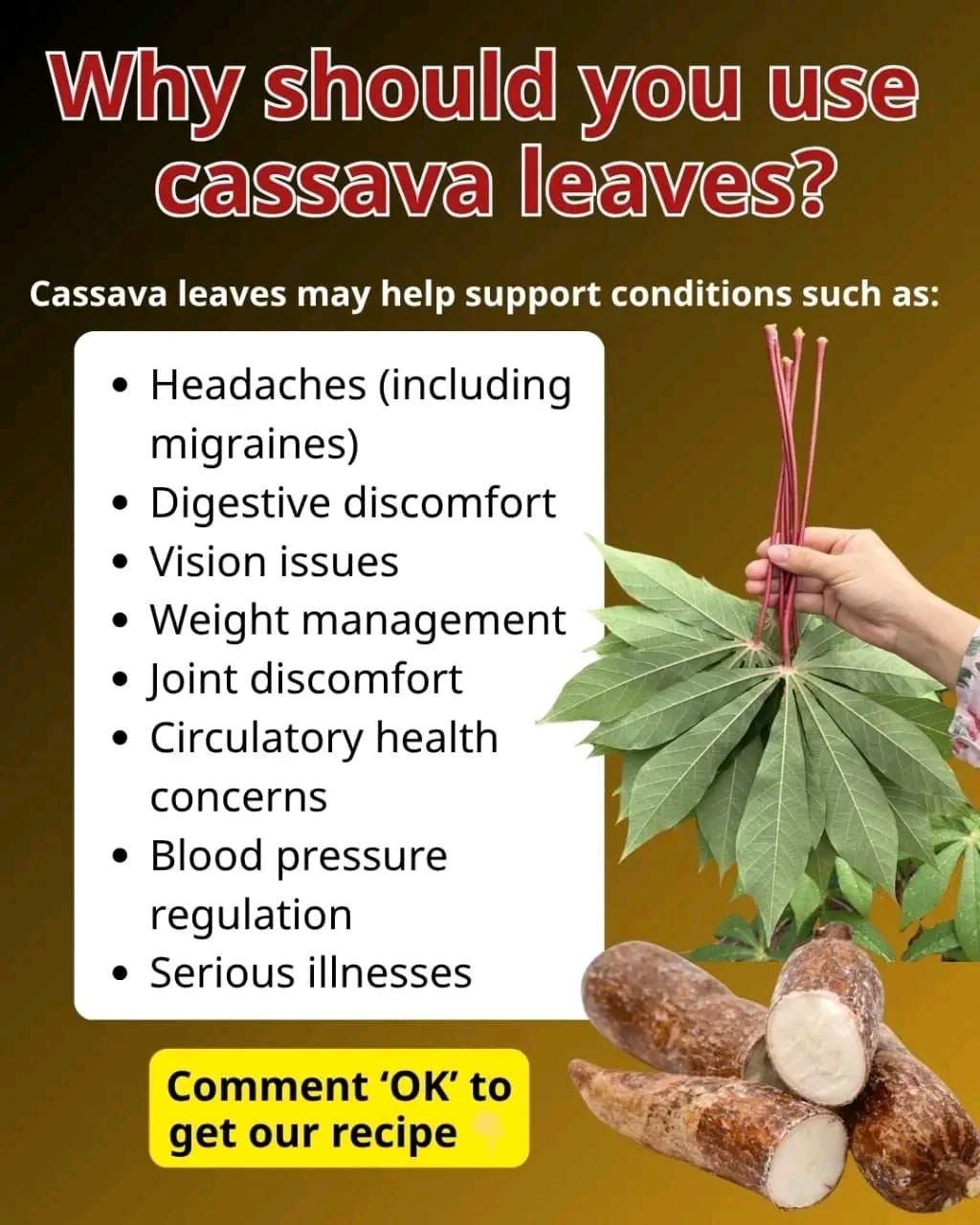
The image highlights the versatile Cassava Leaves (Manihot esculenta), widely known across West/Central Africa, Southeast Asia, and South America as Saka Saka, Manioc Greens, or Plasas. Packed with fiber, plant protein, iron, and essential vitamins, young cassava leaves make a rich, hearty, and aromatic dark green stew when pounded and simmered with red palm oil, groundnuts (peanuts), and savory aromatics.
2. History & Formation
History: Cassava was introduced to Africa from South America by Portuguese traders in the 16th century. While the starchy tuber quickly became a staple crop, Central and West African culinary traditions transformed the fresh green leaves into one of the most beloved communal dishes across nations like Congo, Sierra Leone, Liberia, and Indonesia (where it is known as Gulai Daun Singkong).
Formation (Culinary & Food Safety Science):
Cyanogenic Glucoside Neutralization: Raw cassava leaves naturally contain cyanogenic glucosides (linamarin). Thoroughly pounding, crushing, and extended boiling (for at least 30 to 45 minutes uncovered) breaks down these compounds, releasing hydrogen cyanide gas into the steam and rendering the leaves completely safe and soft to eat.
Emulsification & Nutrient Binding: Simmering pounded leaves with red palm oil and peanut paste causes the natural fats to bind with the green plant fibers. This neutralizes the natural bitterness of the greens and creates a velvety, nutrient-dense sauce.
3. Ingredients
To make 6 hearty servings:
Main Base
Fresh or Frozen Cassava Leaves: 1 lb (450g, thawed if frozen; pounded or finely minced)
Red Palm Oil: \frac{1}{2} cup (120ml)
Natural Peanut Butter (Smooth or Crunchy): \frac{1}{2} cup (120g)
Water or Beef/Vegetable Broth: 3 to 4 cups (750ml–1L)
Aromatics & Flavoring
Yellow Onion: 1 large (finely diced)
Garlic: 4 cloves (minced)
Habanero or Scotch Bonnet Pepper: 1 whole (left whole for aroma, or finely chopped for heat)
Smoked Fish or Dried Shrimp: 1 cup (deboned and flaked, optional for traditional umami flavor)
Bouillon Cubes / Seasoning Powder: 2 cubes
Salt & Black Pepper: To taste
4. Methods & Cooking Instructions
Equipment Needed
Food processor or heavy mortar & pestle
Large heavy-bottomed stockpot or Dutch oven
Wooden spoon
Step-by-Step Instructions
1. Prep the Leaves (Crucial Safety Step): If using fresh cassava leaves, strip them off the stems. Rinse thoroughly, then pound them in a mortar or pulse in a food processor until finely minced.
2. First Boil (Parboiling): Place minced cassava leaves in a large pot, cover with 3 cups of water, and bring to a rolling boil over medium-high heat. Boil uncovered for 25 to 30 minutes to eliminate raw toxins and soften the leaf texture.
3. Add Aromatics & Protein: Add the diced onions, minced garlic, scotch bonnet pepper, smoked fish/shrimp (if using), and bouillon cubes directly into the boiling pot.
4. Stir in Palm Oil: Pour in the red palm oil. Reduce heat to medium, cover partially, and let the stew simmer for 15 minutes until the oil incorporates into the greens.
5. Add Peanut Paste: Dissolve the peanut butter in \frac{1}{2} cup of warm water to loosen it, then pour into the stew. Stir continuously to combine thoroughly.
6. Slow Simmer: Reduce heat to low and simmer uncovered for 20 to 25 minutes, stirring occasionally so the bottom doesn’t stick, until the stew turns deep green, thickens, and oil glistens on the surface.
7. Serve Hot: Remove the whole scotch bonnet pepper before serving. Serve warm alongside steamed rice, fufu, cassava, or plantains!
5. Alternative Preparation Methods
Indonesian Coconut Milk Style (Gulai Daun Singkong): Swap the peanut butter and palm oil for rich coconut milk, lemongrass, turmeric, galangal, and kaffir lime leaves for a fragrant, aromatic Southeast Asian curry profile.
Vegan Garden Style: Omit the smoked fish or dried shrimp and add sautéeed mushrooms, diced eggplant, or black-eyed peas for a rich, plant-based version.
6. West African Cuisine & Leafy Green Lovers
This classic stew appeals to:
Traditional African & Tropical Cuisine Fans: A staple comforting stew loved across West/Central African and Indonesian households for weekend family gatherings.
Hearty Leafy Green Enthusiasts: Anyone who loves rich, slow-simmered green greens like collards, spinach, or callaloo combined with nutty, savory sauces.
Nutrient-Dense Stew Lovers: Perfect for those seeking high-protein, fiber-rich, and flavorful comfort food served with rice or traditional swallows.
7. Conclusion
Cassava Leaf Stew (Saka Saka) is a celebrated cultural dish that turns humble garden leaves into a rich, savory feast. Proper preparation and slow simmering unleash its deep, earthy flavor and velvety texture. Served alongside rice or fufu, it remains one of the ultimate comfort foods of tropical cuisine!